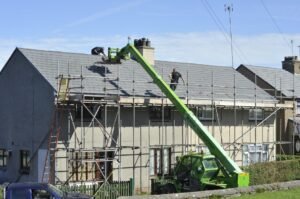

Last month, a homeowner in South Hobart called us in a panic. Water was dripping through her kitchen ceiling during a storm. When we climbed up to inspect, we found what we’d expected: years of small problems that had finally added up to a crisis. A cracked tile here, some deteriorated flashing there, valleys that hadn’t been maintained—each issue minor on its own, but together they’d compromised the entire roof system.
“I thought I had a few more years,” she told us. “I kept meaning to get it checked, but you know… life gets busy.”
I do know. After twenty years in the Hobart roofing industry, I’ve heard similar stories hundreds of times. Most homeowners don’t think about their roof until water’s coming through the ceiling. By then, what might have been a straightforward roof repair in Hobart has become an urgent, expensive replacement.
Here’s the thing: your roof tells you when it’s struggling. You just need to know what to look for.
This guide will walk you through the five warning signs that your Hobart roof might be approaching the end of its life—and more importantly, what you should do about each one. Some of these signs mean you need immediate attention; others give you time to plan and budget. Knowing the difference can save you thousands of dollars and a lot of stress.
Why Hobart Roofs Fail Differently
Before we dive into the warning signs, it’s worth understanding why roofs in our part of Tasmania face unique challenges.
We get hit with everything: powerful westerlies that can lift roofing materials, salt-laden air in coastal suburbs that corrodes metal components, heavy rainfall that tests every seal and flashing, occasional hail that can damage both tile and metal surfaces, and temperature swings that cause materials to expand and contract.
I’ve worked on roofs from Howrah to Fern Tree, and I can tell you that a roof in Sandy Bay faces completely different stresses than one in Brighton. Coastal homes battle corrosion. Mountain suburbs deal with falling branches and fire risk. Sheltered valleys see moss and lichen growth. Your roof’s location matters enormously when assessing its condition and lifespan.
With that context in mind, let’s look at what your roof might be trying to tell you.
Warning Sign #1: Visible Damage to Roofing Materials
This is the most obvious warning sign, but you’d be surprised how many people notice it and do nothing.
What to Look For
For tiled roofs:
- Cracked tiles (often from foot traffic during maintenance or falling branches)
- Missing tiles (blown off during storms or simply deteriorated)
- Broken or chipped tiles (particularly along edges and ridges)
- Tiles that have slipped out of position
- Discolored patches where tiles have lost their glazing or coating
For Colorbond and metal roofs:
- Rust spots or corrosion (especially in coastal areas like Bellerive or Howrah)
- Dents from hail or fallen branches
- Loose or missing screws
- Sheets that have lifted at the edges
- Holes or punctures (sometimes from antenna installations or tree damage)
- Paint that’s fading, peeling, or bubbling
Why This Matters
Every damaged tile or corroded metal sheet is a potential entry point for water. Even a single cracked tile can allow moisture into your roof cavity, where it can damage insulation, rot timber framing, and eventually leak through your ceiling.
In Hobart’s wet climate, roof damage doesn’t stay superficial for long. Water finds its way in, and once it does, the damage accelerates. What starts as one cracked tile can lead to water damage affecting multiple rafters, ceiling plaster, and even electrical wiring.
What You Should Do
If you spot 1-3 damaged tiles or minor metal roof issues:
This usually qualifies as a repair rather than replacement. The key is acting quickly. Don’t wait for the next storm to test whether that cracked tile is letting water through.
If you’re seeing widespread damage (10+ tiles, or multiple rusted/corroded areas):
You’re likely looking at replacement territory, especially if the damage is spread across different areas of the roof. This suggests the roof has reached the end of its serviceable life.
Get a professional assessment. Sometimes what looks like isolated damage is actually symptomatic of a larger problem—like a roof that’s been there for 40+ years and has simply worn out.
Warning Sign #2: Water Stains, Damp Spots, or Mold on Ceilings and Walls
If you’re seeing water damage inside your home, your roof has been failing for longer than you think.
What to Look For
- Brown or yellow staining on ceilings (particularly near walls, in corners, or around chimneys)
- Damp patches that appear during or after rain
- Peeling paint on ceilings or upper walls
- Mold growth in the roof cavity (sometimes you’ll smell it before you see it—a musty, damp odor)
- Water marks on wall surfaces near the roofline
- Bubbling or sagging ceiling plaster
The Truth About Roof Leaks
Here’s something most homeowners don’t realize: by the time water appears on your ceiling, it’s been leaking for a while—possibly months or even years.
Water doesn’t fall straight down. It runs along rafters, soaks into insulation, travels across ceiling cavities, and eventually finds a low point where it breaks through. That stain in your living room might be coming from a leak three meters away on a different part of the roof.
In Hobart’s climate, roof leaks are particularly problematic because our extended wet seasons mean the area never fully dries out. This creates perfect conditions for timber rot and mold growth—both of which can affect indoor air quality and cause serious structural damage.
Why This Is Serious
Water damage doesn’t just affect your roof—it cascades through your entire home:
- Structural timber rot: Roof framing, rafters, and ceiling joists can weaken dangerously
- Electrical hazards: Water and wiring don’t mix; this can create genuine safety risks
- Insulation damage: Wet insulation loses all effectiveness and can promote mold growth
- Health concerns: Mold spores can trigger respiratory issues, especially in children and elderly residents
- Interior damage: Ruined plaster, paint, and potentially furniture or stored items in the roof cavity
I’ve seen homes in North Hobart where undetected roof leaks have caused $$$+ in interior damage—far more than the roof repair would have cost if caught early.
What You Should Do
Immediate actions:
- Place buckets under active leaks to protect interior surfaces
- Move furniture, electronics, and valuables away from affected areas
- Take photos for insurance documentation
- Call a professional for inspection—this is not a DIY situation
Don’t assume it’s minor:
Even a small stain deserves professional roof repair in Hobart. What you’re seeing inside is just the visible tip of a larger problem.
Assessment priorities:
A good roofing contractor will:
- Inspect the entire roof surface, not just the obvious problem area
- Check the roof cavity for water damage, rot, and mold
- Trace the leak back to its actual source (which might surprise you)
- Assess whether the surrounding structure has been compromised
- Provide options for repair vs. replacement
The Insurance Question
If you have roof leaks causing interior damage, contact your insurance company. Most policies cover sudden, accidental damage (like storm damage), though they typically won’t cover gradual deterioration from lack of maintenance.
Document everything: take photos, keep receipts, get written reports from contractors. This documentation becomes crucial if you need to make a claim.
A Common Scenario
Last winter, we got called to a home in Lenah Valley where the owner had noticed a small damp patch on their ceiling. “It’s only during really heavy rain,” they said. “Can you just seal it from outside?”
When we inspected, we found the problem wasn’t sealable from outside—an entire valley section had corroded through. Water had been entering the roof cavity for at least two years, judging by the timber damage.
The homeowner was understandably frustrated. “Why didn’t I notice it sooner?”
The answer is that roof leaks are deceptive. They start small, water travels in unexpected directions, and by the time you see evidence, the damage is well established. That’s why regular inspections matter—they catch problems before they become catastrophes.
Warning Sign #3: Your Roof Is Approaching or Exceeding Its Expected Lifespan
Age might be just a number for people, but for roofs, it’s a critical factor.
Expected Lifespans for Hobart Roofs
Colorbond and metal roofing:
- 40-50 years in ideal conditions
- 30-40 years in coastal environments (salt air accelerates corrosion)
- 25-35 years if not properly maintained
Concrete tiles:
- 50-60 years with regular maintenance
- 40-50 years in harsh coastal or high-wind areas
- Individual tiles may need replacing every 10-15 years
Terracotta tiles:
- 60-100+ years (some of Hobart’s heritage roofs prove this)
- Quality depends heavily on the original tiles and installation
- Supporting elements (mortar, valleys, flashing) wear out faster than the tiles themselves
Important caveat: These are guidelines, not guarantees. A poorly installed roof might fail in half the expected time. A meticulously maintained roof can exceed these lifespans significantly.
How to Determine Your Roof’s Age
If you don’t know when your roof was installed:
- Check building records: Council permits or building files might have dates
- Ask previous owners: If you bought recently, they might remember
- Look for clues: Some roofing materials have manufacturing dates stamped on them
- Professional assessment: Experienced contractors can estimate age based on material type, condition, and installation methods
Why Age Matters
As roofs age, everything deteriorates:
- Metal roofs: Protective coatings wear thin, making corrosion more likely. Fasteners work loose through decades of expansion and contraction. Sealants around flashings dry out and crack.
- Tile roofs: Individual tiles may crack or delaminate. More critically, the mortar bedding that holds ridge tiles deteriorates. Valley irons corrode and fail. The sarking (waterproof layer) beneath the tiles degrades.
An aging roof isn’t just more likely to fail—it becomes more expensive to repair. When you’re constantly fixing issues on a 40-year-old roof, you’re throwing good money after bad. At some point, replacement becomes the more economical choice.
What You Should Do
If your roof is approaching its expected lifespan (within 5 years):
Schedule a comprehensive professional inspection. You want to know:
- What condition is the roof actually in?
- Are there any immediate concerns that need addressing?
- Realistically, how many more years can you expect?
- Should you start budgeting for replacement?
This inspection gives you time to plan financially rather than facing an emergency replacement.
If your roof has exceeded its expected lifespan:
You’re on borrowed time. Even if you’re not seeing obvious problems, schedule an inspection immediately. The roof might be fine—some well-maintained roofs outlast expectations—but you need to know for certain.
Start getting quotes for metal roof replacement or tiled roof repair/replacement. Compare options. Understand your costs. That way, when the roof does fail, you’re prepared rather than panicked.
The “It Looks Fine” Trap
I’ve met many homeowners who say, “Sure, my roof is 45 years old, but it looks fine from the ground!”
From ground level, you can’t see:
- Cracked or deteriorated tiles on the rear slope
- Corroded flashing around the chimney
- Rusted valley irons that are weeks from failing
- Deteriorated sarking that’s no longer waterproof
- Loose or missing fasteners
- Hairline cracks in ridge mortar
Looking fine from your driveway doesn’t mean much. You need to get up there—or have a professional do it—to really assess condition.
Warning Sign #4: Sagging Roof Lines, Drooping Gutters, or Visible Structural Issues
This is the warning sign that should never be ignored. Structural problems indicate serious underlying issues that can compromise your entire home’s integrity.
What to Look For
From ground level:
- Roof lines that appear wavy or sagging rather than straight
- Ridgelines that dip in the middle
- Gutters that slope incorrectly or pull away from the fascia
- Eaves that appear uneven or drooping
- Visible gaps between roofing materials and walls
From inside the roof cavity (if you can safely access it):
- Rafters that appear bowed or cracked
- Timber that feels soft or crumbly (indicating rot)
- Daylight visible through gaps in the roof
- Water staining on structural timber
- Mold or mildew growth on framing
What Causes Structural Problems
Several factors can lead to roof structural issues:
Water damage and timber rot: Long-term roof leaks saturate roof framing. In Tasmania’s damp climate, this timber doesn’t dry out properly, leading to rot. Rotted timber loses structural strength, causing sagging.
Inadequate original construction: Some older homes were built with undersized rafters or inadequate bracing. These roofs might have held up initially but sag under decades of weight and stress.
Excessive weight: If concrete tiles were installed on a roof originally designed for lighter materials, the frame may not be adequate. We’ve seen this in homes where corrugated iron was replaced with tiles without structural upgrades.
Termite damage: In some Hobart suburbs, termites can attack roof framing, especially if there’s moisture present. This compromises structural integrity.
Age and material fatigue: Timber naturally weakens over decades, particularly in Tasmania’s climate where moisture, temperature changes, and biological growth take their toll.
Why This Is Dangerous
A sagging roof isn’t just an aesthetic issue—it’s a safety hazard:
- Collapse risk: Severely compromised structures can fail, particularly under snow load or during storms
- Accelerated deterioration: Sagging creates low points where water pools, causing faster degradation
- Wall damage: Roof problems can transfer stress to supporting walls
- Insurance complications: Structural issues can affect coverage and property value
I’ve seen roof cavities in Mount Nelson where the rafters were so compromised that walking on the roof was genuinely dangerous. In one extreme case, a homeowner’s DIY inspection ended with his foot going through the ceiling because the framing had rotted.
What You Should Do
If you notice any structural sagging or irregularities:
Stop. Do not walk on the roof. Do not delay assessment. Call a licensed roofing professional immediately.
Structural issues require expert evaluation. This isn’t a situation for DIY diagnosis or “let’s wait and see.” You need:
- Structural assessment: Determine the extent of damage
- Engineering input: For significant issues, you may need a structural engineer’s report
- Immediate remediation: Some structural problems require temporary bracing while planning permanent repairs
- Comprehensive solution: This often means complete roof replacement with structural reinforcement
Council and Insurance Considerations
Significant structural work typically requires council building permits. Your contractor should handle this, but be aware it adds time to the project timeline.
For insurance purposes, gradual deterioration often isn’t covered, but storm damage that causes structural issues might be. Document everything and consult your insurer before beginning major work.
For guidance on selecting quality roofing contractors who’ll give you honest assessments, see our article on Choosing the Right Tile Roofers in Hobart Matters.
Warning Sign #5: Granules in Gutters, Excessive Moss Growth, or Widespread Deterioration
Sometimes your roof’s distress isn’t dramatic—it’s just tired. This final warning sign is about recognizing when your roof has simply reached the end of its serviceable life through accumulated wear.
What to Look For
For metal roofs:
- Widespread rust or corrosion (not just isolated spots)
- Paint coating that’s chalking, fading, or peeling across large areas
- Multiple fasteners that have worked loose or corroded
- Sheets that rattle in the wind or have lifted edges
- Widespread denting or impact damage
For tile roofs:
- Granules or tile fragments accumulating in gutters (indicates surface delamination)
- Heavy moss or lichen coverage across most of the roof
- Tiles that sound hollow when tapped (delamination between layers)
- Widespread color fading or surface degradation
- Ridge and hip mortar that’s crumbling away
- Multiple valley sections showing rust or corrosion
For both roof types:
- Gutters consistently full of roofing debris
- Visible light through the roof material (indicating thinning or holes)
- A roof that just looks “tired”—hard to define, but you know it when you see it
Why Widespread Deterioration Matters
When problems are localized—a few damaged tiles here, one corroded valley there—repairs make sense. But when deterioration is widespread, you’re facing a roof that’s systemically failing.
Repairing one section of a comprehensively degraded roof is like replacing one tire on a car where all four are worn out. Sure, that one tire is now good, but you’ll be back for the others soon enough. The economically sensible choice is to address everything at once.
The Moss Problem (Especially Relevant for Hobart)
Let’s talk specifically about moss, because it’s incredibly common in Hobart’s sheltered suburbs—Lenah Valley, South Hobart’s valleys, parts of Mount Stuart, anywhere with tree cover and limited direct sun.
Moss isn’t immediately destructive, but it creates problems:
- Retains moisture against tiles, accelerating deterioration
- Can work under tiles, lifting them slightly and allowing water entry
- Makes roofs slippery and dangerous to walk on
- Indicates inadequate drainage or sun exposure
- In advanced stages, physically damages tile surfaces
The question everyone asks: Should I clean the moss or replace the roof?
Answer: It depends on the roof’s overall condition and age.
- For roofs under 30 years old with otherwise good structural condition: Professional cleaning, treating with anti-moss solutions, and improving drainage can add years of life.
- For roofs over 40 years old or showing multiple other warning signs: Cleaning is just delaying the inevitable. The moss is a symptom, not the disease. The disease is an aging roof system that’s reached the end of its life.
We often recommend cleaning and treatment for roofs in the 30-40 year range as a bridge solution—it buys you 3-5 more years to budget for proper replacement.
What You Should Do
If your roof shows widespread deterioration:
- Get a comprehensive professional assessment: You need someone to honestly evaluate whether repairs make economic sense or whether you’re throwing money at a failing system.
- Request a detailed condition report: This should document all issues, estimate remaining serviceable life, and provide options with cost comparisons.
- Compare repair costs to replacement costs: If repairs would cost more than 40-50% of full replacement cost, replacement usually makes more sense—especially if the roof is already beyond its expected lifespan.
- Consider the “5-year rule”: If repairs might get you 3-5 more years but replacement gets you 40-50 years, how does that math work out? Sometimes spending more now saves more later.
For moss-covered tile roofs specifically:
If you want to extend the roof’s life:
- Professional cleaning every 2-3 years
- Anti-moss treatment application
- Trim overhanging trees to increase sun exposure
- Ensure gutters drain properly
If you’re planning replacement anyway within 5 years:
- Skip expensive cleaning and put that money toward your replacement fund
- Just maintain gutters to prevent overflow and water damage
The Whole-System Perspective
Here’s something many homeowners don’t consider: even if your tiles or metal sheets are technically okay, the supporting elements might be failing.
I’m talking about:
- Valley irons (typically need replacement every 25-30 years)
- Flashing around chimneys, vents, and wall junctions
- Sarking or underlayment beneath the visible roofing
- Ridge mortar and bedding
- Gutter systems and fascia boards
When multiple supporting elements need replacement, you’re approaching the point where complete roof replacement becomes more economical than piecemeal repairs.
What to Do Next: Your Action Plan
If you’ve recognized one or more of these warning signs in your own roof, here’s your step-by-step plan:
Step 1: Document What You’ve Noticed
Take photos from ground level showing:
- Any visible damage or irregularities
- Stains or damp spots inside your home
- Areas where gutters are sagging or pulling away
- Any moss growth or surface deterioration
Date these photos and keep them organized. They’re valuable for:
- Showing contractors during consultations
- Insurance claims if needed
- Tracking whether problems are worsening
Step 2: Schedule Professional Inspections
Don’t rely on one opinion. Get 2-3 different roofing contractors to inspect your roof.
What to expect from a good inspection:
- Thorough examination of the entire roof surface
- Access to roof cavity to check for water damage, structural issues, and ventilation
- Detailed written report with photos documenting all findings
- Clear recommendations: repair vs. replace, with reasoning
- Timeline guidance: “This needs addressing immediately” vs. “You have 2-3 years”
- Written quote for recommended work
Red flags during inspections:
- Contractors who won’t access the roof cavity
- Vague reports without specific details or photos
- High-pressure sales tactics (“You need to decide today!”)
- Quotes that seem far outside the range of other quotes without explanation
- Recommendations for complete replacement when repairs would clearly suffice (or vice versa)
Cost for professional inspections: Many roofing companies offer free assessments if you’re considering using their services. Some charge for detailed inspection reports with no obligation. Either approach is fine—what matters is the quality and honesty of the assessment.
Step 3: Understand Your Options
Based on inspection findings, you’ll typically face one of these scenarios:
Scenario A: Minor repairs needed
Best for: Isolated damage, recently noticed problems, roofs not near end-of-life
Timeline: Can often be done within 1-2 weeks
Scenario B: Major repairs needed
Best for: Multiple issues but roof still has significant life left (10+ years)
Timeline: 2-4 weeks depending on complexity
Scenario C: Staged repair approach
Best for: Aging roofs with multiple problems where immediate replacement isn’t financially feasible
Approach: Address critical issues now (leaks, structural concerns), plan replacement within 2-3 years
Scenario D: Complete replacement recommended
Best for: Roofs at end-of-life, widespread deterioration, structural issues, or when repair costs approach replacement costs
Timeline: 1-3 weeks for the work, but allow 4-8 weeks for quotes, material selection, and scheduling
Step 4: Make an Informed Decision
Consider these factors:
Financial:
- Your current budget and financing options
- Cost-benefit of repairs vs. replacement
- Impact on home value
- Potential energy savings with modern materials
Timing:
- How urgent is the problem?
- Can you wait for ideal weather conditions?
- Do you want to coordinate with other home improvements?
Long-term plans:
- Staying in the home 10+ years? Investment in quality replacement makes sense
- Selling within 2-3 years? Cost-effective repairs might be smarter
- Rental property? Balance cost vs. maintenance reduction
Risk tolerance:
- Comfortable with “patch and monitor” for an aging roof?
- Or prefer the peace of mind of complete replacement?
Step 5: Choose the Right Contractor
Whether you need roof repair in Hobart, metal roof replacement, or tiled roof repair, choosing the right contractor is crucial.
What to verify:
- Valid licensing (required in Tasmania)
- Current insurance (public liability and workers compensation)
- Physical business address (not just a mobile number)
- Established track record (how long in business?)
- Recent, verifiable references from similar projects
Questions to ask:
- “What warranty do you provide on workmanship?” (Minimum 5 years is reasonable)
- “What warranties come with materials?” (Varies by product)
- “Who actually does the work?” (Their own crews vs. subcontractors)
- “What happens if weather delays the project?”
- “How do you handle unexpected issues discovered during work?”
- “What’s included in your quote?” (Get itemized breakdown)
Payment terms:
- Never pay 100% upfront
- Common structure: deposit (10-30%), progress payment(s), final payment on completion
- Be wary of contractors demanding large upfront payments or cash-only deals
Step 6: Plan for the Work
Before work begins:
- Move vehicles away from the house (falling debris is inevitable)
- Protect landscaping near the house perimeter
- Notify neighbors (noise, parking, debris)
- Arrange alternative parking if needed (skip bins and equipment take space)
- Remove or protect items in roof cavity if accessed
- Plan for noise during the day (work typically 7am-5pm)
During the work:
- Maintain clear communication with the project manager
- Don’t hesitate to ask questions about what’s being done
- Take progress photos for your records
- Keep pets indoors (construction sites are dangerous for animals)
After completion:
- Do a thorough walkthrough with the contractor
- Ensure all debris is removed from property
- Get copies of all warranties and documentation
- Take final photos documenting the completed work
- Understand maintenance requirements going forward
Prevention: Protecting Your Investment
Whether you’re repairing or replacing your roof, protect that investment with regular maintenance:
Annual maintenance checklist:
- Clean gutters and downpipes (spring and autumn minimum)
- Visual inspection from ground level after major storms
- Trim branches that overhang or touch the roof
- Check flashing around chimneys and vents
- Remove debris from roof valleys
Every 2-3 years:
- Professional roof inspection
- Professional cleaning if moss/lichen is developing
- Check fasteners are secure (particularly for metal roofs in coastal areas)
After major storms:
- Visual inspection for damage
- Check roof cavity for any water entry
- Call for professional assessment if you notice anything concerning
Cost of neglect: Potentially thousands in repairs or tens of thousands in premature replacement
The math strongly favors prevention.
Regional Considerations Across Hobart
Different Hobart suburbs present unique roofing challenges:
Coastal suburbs (Bellerive, Howrah, Sandy Bay, Taroona):
- Salt air accelerates metal corrosion—inspect annually
- Wind-driven rain tests seals and flashings
- Metal roofs typically need earlier replacement here (30-35 years vs. 40-50 years inland)
Mountain and bushland suburbs (Mount Wellington foothills, Fern Tree, Mount Nelson):
- Falling branches are the primary threat
- Keep trees trimmed back from rooflines
- Fire-resistant materials are essential
Valley suburbs (Lenah Valley, South Hobart valleys, Mount Stuart sheltered areas):
- Moss and lichen growth require regular attention
- Limited sun exposure means roofs stay damp longer
- Professional cleaning every 2-3 years is nearly essential
Northern suburbs (Glenorchy, Claremont, Austins Ferry):
- More sheltered from coastal salt but still windy
- Standard maintenance protocols work well here
- Good balance of affordability and livability extends to roofing performance
Eastern Shore (Rokeby, Lauderdale, Seven Mile Beach):
- Extreme salt exposure in beachfront properties
- Regular freshwater hosing of metal roofs helps extend life
- Premium coatings and materials are worth the investment here
Common Questions Answered
“Can’t I just do this myself?”
Roofing is genuinely dangerous. Falls from roofs are a leading cause of serious DIY injuries. Beyond safety:
- You likely don’t have the specialized knowledge to properly diagnose problems
- DIY repairs often don’t address the underlying issues
- Insurance implications if you damage your roof or injure yourself
- Code compliance issues for significant work
Simple gutter cleaning? Sure. Actual roof repairs or replacement? Leave it to licensed professionals.
“How do I know if a contractor is being honest?”
Trust your instincts, but verify:
- Get multiple opinions (3 is ideal)
- If one recommendation is dramatically different from the others, ask why
- Honest contractors will show you the problems via photos or in-person inspection
- They’ll explain why they’re recommending specific approaches
- They won’t pressure you to decide immediately
“Can I delay work if I can’t afford it right now?”
Depends on the problem:
- Structural issues or active leaks: These require immediate attention. Consider financing, insurance claims, or emergency repairs to prevent further damage.
- Aging roof without active problems: You can often delay, but get professional guidance on how long you can safely wait.
- Cosmetic or minor issues: These can usually wait, though monitor them to ensure they don’t worsen.
Never delay addressing water entry or structural concerns. The damage compounds quickly and becomes far more expensive.
“Will this affect my home insurance?”
Good question to ask your insurer directly, but generally:
- Proper maintenance and timely repairs help ensure coverage
- Known defects that aren’t addressed can affect claims
- Upgrading to modern materials might qualify for premium discounts
- Document all maintenance