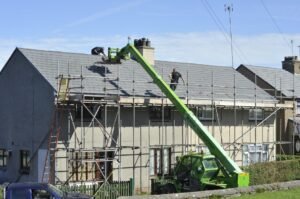
When you’re standing in your driveway looking up at your roof, wondering whether it’s time for a change, you’re not alone. Every year, hundreds of Hobart homeowners face this exact decision. And honestly? It’s a big one. Your roof isn’t just about keeping the rain out—it’s about protecting your family, your belongings, and one of your most significant investments.
After two decades of working on roofs across Greater Hobart, from the windswept coastal homes of Bellerive to the historic beauties tucked away in Battery Point, we’ve learned that there’s no universal “best” roofing material. But there is a best choice for your home. Let me walk you through what you need to know.
Understanding Your Roofing Options in Tasmania
Tasmania’s weather throws everything at us: howling westerlies that rattle windows, summer scorchers that make you appreciate air conditioning, winter frosts that glisten on the lawns, and those sudden storms that seem to come out of nowhere. Your roof needs to handle all of it, year after year.
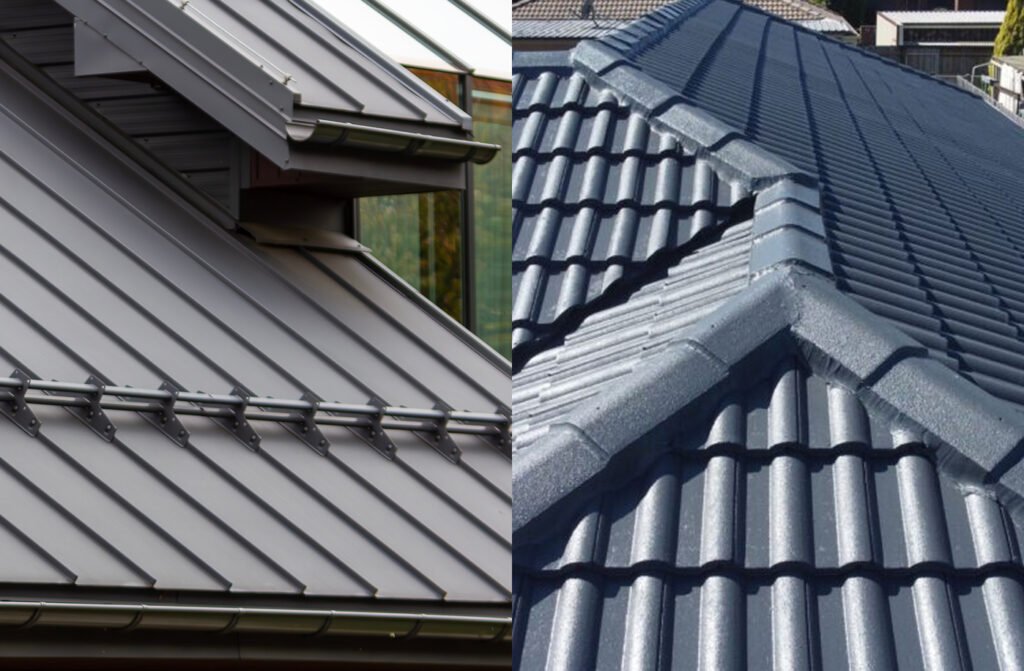
The two heavyweight contenders for the best roofing in Hobart are Colorbond steel and tile roofing. Both have earned their place on Tasmanian homes, but they each bring something different to the table.
Colorbond Roofing: The Modern Workhorse
There’s a reason you see more and more Colorbond roofs popping up across Hobart suburbs. This Australian-made steel roofing has proven itself in some of the harshest conditions our island can dish out.
The Real Advantages of Colorbond
Lightweight Engineering
One thing many homeowners don't realize until they're quoted for a roof replacement in Hobart is how much weight matters. Colorbond panels typically weigh around 5-7 kg per square meter, compared to concrete tiles at 40-50 kg per square meter. That's not just a number on paper—it means your existing roof frame can usually handle Colorbond without expensive structural upgrades. For older homes where the bones might not be as strong as they once were, this can save thousands of dollars.
Built for Coastal Living
Living near the water is one of Hobart's great pleasures, but that salt-laden air is brutal on building materials. I've seen standard roofing materials corrode within years in suburbs like Howrah and Sandy Bay. Colorbond's steel comes with a metallic coating (typically zinc/aluminium alloy) and baked-on paint that creates multiple layers of protection. In our coastal suburbs, it's not just a nice feature—it's essential. We recently completed a roof replacement in Bellerive for a client whose old roof had been fighting a losing battle against the sea air. Three months after installing Colorbond, she called to say she'd forgotten what it was like not to worry about rust spots and deterioration. That's the peace of mind good materials provide.
Minimal Maintenance Requirements
Let's be honest: nobody dreams about spending their weekends maintaining their roof. With Colorbond, you really don't have to. An occasional hose-down to remove debris and leaves, maybe a professional inspection every few years—that's about it. No tiles to replace after a storm, no moss to scrub away, no individual components to monitor for cracks.
Energy Performance
Tasmania's summers are getting warmer, and cooling costs matter. Many Colorbond products now feature Thermatech® technology, which reflects solar radiation before it becomes heat in your roof cavity. One homeowner in Kingston tracked his summer electricity bills before and after his roof replacement—he saw roughly 15% savings on cooling costs. Over a decade, that adds up.
Design Flexibility
With over 22 standard colours available, from subtle "Surfmist" to bold "Monument," Colorbond gives you creative freedom. Want your roof to complement your rendered walls? There's a colour for that. Prefer a more dramatic contrast? You can do that too. This versatility makes Colorbond an excellent choice for modern builds in suburbs like New Town and Brighton, where contemporary architectural styles are popular.
>> Related article: Why Choose Metal Roof Installation for Your Tasmanian Property?
The Honest Drawbacks
Noise During Heavy Rain
I'd be doing you a disservice if I didn't mention this. When a big storm rolls in from the west, you'll hear it on a Colorbond roof. Some people find it cozy—there's something primal about hearing rain drum overhead. Others find it disruptive, especially if they're light sleepers. The solution? Quality insulation blankets or ceiling batts can dramatically reduce noise transmission. Most of our roof replacement projects in Hobart now include acoustic insulation as standard, and it makes a world of difference. But it does add to the upfront cost.
Susceptible to Impact Damage
While Colorbond is tough, it's not invincible. A decent-sized branch coming down in a winter storm can dent panels. Hail can leave dimples. These usually don't affect the roof's functionality or weatherproofing, but they can be visible from certain angles. In heavily treed areas like Mount Stuart or Fern Tree, this is worth considering. We often recommend strategic tree trimming as part of any roof replacement project—it protects your investment and reduces the debris load during storms.
Higher Initial Panel Costs
Square meter for square meter, Colorbond typically costs more upfront than concrete tiles, though less than terracotta. However, when you factor in the lighter structural requirements, faster installation time, and decades of lower maintenance, the lifetime value equation often favors Colorbond.
Tile Roofing: Traditional Excellence
There’s something deeply satisfying about a well-executed tile roof. Walk through the streets of Battery Point or West Hobart, and you’ll see tiles that have been protecting homes for half a century or more. That longevity isn’t luck—it’s the result of proven materials and proper installation.
Why Tile Roofing Remains the Best Roofing in Hobart for Many Homes
Exceptional Longevity
When we say a tile roof can last 50-100 years, we're not exaggerating. I've worked on tile roofs in North Hobart that were installed in the 1950s and are still performing beautifully. Yes, individual tiles might need replacing occasionally, but the overall system keeps going. That kind of durability is hard to beat. The key is proper installation and reasonable maintenance. A tile roof that's well-bedded, properly flashed, and regularly inspected can outlast multiple generations of residents.
Natural Thermal Mass
Tiles provide what engineers call thermal mass—they absorb heat slowly during the day and release it slowly at night. In practical terms, this means your home stays more comfortable with less active heating or cooling. During Hobart's hot summer days, that thick layer of concrete or terracotta acts as a buffer, preventing excessive heat from radiating into your living spaces. In winter, that same mass helps retain heat. I've had clients in older tile-roofed homes in South Hobart tell me they use noticeably less heating than their neighbors with thin-profile roofing.
Superior Sound Insulation
Remember that drumming rain noise I mentioned with Colorbond? You won't hear it with tiles. The combination of the tile's mass, the air gap in the roof cavity, and the tile battens creates excellent acoustic insulation. During storms, your home remains a quiet sanctuary.
Authentic Character Appeal
For heritage and character homes, particularly those in Hobart's historic suburbs, tile roofing isn't just an option—it's often the only choice that looks right. The council has strict guidelines in some areas, and even where they don't, replacing tiles with metal on a 1920s bungalow just feels wrong. Terracotta tiles in warm earthy tones, or slate-look concrete tiles in charcoal—these materials have a textured, dimensional quality that complements period architecture in ways that flat metal sheets simply can't replicate.
Fire Resistance
This is genuinely important for Hobart homeowners in elevated or bush-adjacent areas. Tiles are non-combustible—they won't catch fire, they won't contribute to a fire's spread, and they provide excellent protection for the structure beneath them. With climate change increasing bushfire risk, even in areas we once considered safe, this characteristic of tile roofing offers real protection. Suburbs on Hobart's fringes like Ridgeway, Fern Tree, and Mount Nelson particularly benefit from tile's fire-resistant properties.
The Practical Challenges
Significant Weight Load
This is the big one. A concrete tile roof can add 2,000-2,500 kilograms to an average home. Not all roof frames can handle that load safely. Before any tile roof replacement in Hobart, we conduct a thorough structural assessment.
Sometimes the news is good—your frame is solid and ready to support tiles for another generation. Sometimes it's not—and you're looking at significant structural upgrades that can add $$$ to your project budget.
It's not what anyone wants to hear, but it's essential information for making a safe, informed decision.
Biological Growth in Damp Areas
Hobart's climate, particularly in sheltered, shaded valleys, can promote moss and lichen growth on tile roofs. Suburbs like Lenah Valley, South Hobart's sheltered pockets, and anywhere with overhanging trees see this regularly.
While not structurally damaging in the short term, heavy moss growth can retain moisture against the tiles, accelerating deterioration. It also looks shabby. Professional roof cleaning every 2-4 years keeps this in check, but it's an ongoing maintenance task that Colorbond doesn't require.
Individual Tile Vulnerability
Walk on a tile roof incorrectly, and you'll crack tiles. Let a branch fall during a storm, and tiles will break. Each broken tile creates a potential entry point for water, so repairs can't wait.
The good news is that individual tiles are relatively inexpensive to replace— plus labor. The bad news is you'll be calling for these repairs more frequently than you would with Colorbond. Over a decade, those repair calls add up.
Higher Maintenance Commitment
Tiles need attention. Valley gutters require regular clearing. Mortar bedding beneath ridge and hip tiles deteriorates and needs repointing. Flashing around chimneys and skylights requires monitoring. These aren't deal-breakers, but they represent an ongoing commitment that some homeowners would rather avoid.
Location-Specific Recommendations: Where to Use What
After years of roof replacements across Hobart and Southern Tasmania, we’ve developed clear insights about what works best where.
Coastal and Exposed Suburbs
Best Choice: Colorbond
If your home is in Bellerive, Howrah, Sandy Bay, Lauderdale, or any suburb with regular salt air exposure, Colorbond offers superior long-term performance. The corrosion resistance is simply unmatched. We've seen tile roofs in these areas where the mortar deteriorates faster than expected, and where metal components (like valley irons and gutters) need replacement more frequently. One client in Howrah told us his previous tile roof had required constant attention to rusting screws, corroded valley irons, and crumbling mortar. After switching to Colorbond for his roof replacement, those problems disappeared. He's been maintenance-free for seven years.
Heritage Areas and Character Suburbs
Best Choice: Tile Roofing
For homes in Battery Point, West Hobart, North Hobart, South Hobart's heritage zones, and other areas where character matters, tile roofing maintains architectural integrity. These areas often contain homes built when tiles were the standard, and matching that aesthetic preserves both your home's value and the neighborhood's character. Plus, if you ever need council approval for significant work, having appropriate roofing materials can smooth the process. We've seen development applications questioned when homeowners tried to use modern materials on heritage homes.
Bushfire-Prone Elevated Areas
Best Choice: Tile Roofing
Best Choice: Tile Roofing (with Colorbond as a close second) Mount Nelson, Fern Tree, Ridgeway, and elevated parts of Mount Stuart benefit from tile's inherent fire resistance. However, Colorbond rated to appropriate BAL (Bushfire Attack Level) standards also performs well. The decision here often comes down to other factors—if your home's structure can't handle tile weight, Colorbond with the right BAL rating is an excellent alternative. We always recommend consulting your local fire brigade and checking recent bushfire planning overlays when making this decision.
Modern Developments and New Builds
Best Choice: Colorbond
New estates in Kingston, Blackmans Bay, Brighton, and other growth areas lean heavily toward contemporary designs where Colorbond's clean lines and color options shine. The lighter weight also means builders can use more economical framing, potentially saving thousands during construction. Additionally, many modern homes incorporate larger open-plan spaces and vaulted ceilings where exposed Colorbond can become a design feature—think "industrial chic" or "contemporary barn" aesthetics.
Sheltered, Treed Suburbs
Considerations for Both Materials
Areas like Lenah Valley, parts of South Hobart, Dynnyrne, and Mount Stuart present unique challenges. Heavy tree cover means:
- For Tiles: Expect more moss growth, requiring regular cleaning. However, the quiet performance during storms and traditional look often appeal to residents in these established suburbs.
- For Colorbond: Less biological growth to worry about, but falling branches pose a higher denting risk. Quality gutter guards become essential to manage leaf litter.
Your property’s specific situation—how much tree cover, whether trees can be trimmed, which direction your roof faces—should guide your decision.
Making Your Decision: Key Factors to Evaluate
When we sit down with homeowners planning a roof replacement in Hobart, we work through several critical considerations together.
Structural Capacity Assessment
Before falling in love with tile’s aesthetic or Colorbond’s low maintenance, you need to know what your home can actually support. This requires a qualified inspection of your roof framing, wall structure, and foundation.
For homes built before 1950, structural upgrades are often necessary if you want to switch to tiles. For homes built after 1990, the opposite is sometimes true—they may have been engineered for lighter materials, making tiles impractical without reinforcement.
Aesthetic and Architectural Harmony
Your roof covers roughly 40% of what people see when they look at your home. It matters visually.
For federation, Victorian, Georgian, and interwar homes, tile roofing almost always looks more appropriate. The depth, texture, and traditional profile complement the architectural period.
For contemporary, modern farmhouse, or minimalist designs, Colorbond’s clean lines and smooth finish usually work better. The crispness suits the architectural language.
If you’re genuinely unsure, your local council’s planning department or a good architect can provide guidance. We’ve also worked with color consultants who specialize in roofing—they can create visualizations showing how different materials would look on your specific home.
Your Long-Term Plans
Be honest about your timeline:
Planning to stay 20+ years?
Invest in what you'll enjoy. Consider the lower maintenance of Colorbond or the lasting character of quality tiles.
Selling within 5-10 years?
Think about what buyers in your area expect. Heritage suburbs favor tiles; modern estates favor Colorbond.
Investment property?
Colorbond's low maintenance could save you future headaches and emergency repair calls.
Investment property?
Colorbond requires virtually no maintenance, which matters when you're not comfortable climbing ladders or coordinating repairs.
Environmental and Climate Considerations
Hobart’s weather patterns are shifting. We’re seeing more intense storms, hotter summer peaks, and unpredictable wind events. Your roof needs to handle not just today’s climate, but tomorrow’s too.
Both materials perform well, but consider:
Storm resilience
Properly installed Colorbond and tiles both handle high winds well, but Colorbond is lighter and creates less uplift force during extreme wind events.
Thermal performance
With climate-appropriate insulation, both materials can provide excellent energy efficiency. The key is the whole system, not just the surface material.
Recyclability
Colorbond steel is fully recyclable. At end-of-life, it can be reprocessed into new steel products. Concrete tiles can be crushed and used as aggregate. Terracotta is inert and can be used in landscaping. Both options are environmentally responsible.
The Installation Quality Factor: Why It Matters More Than Material
Here’s something we don’t talk about enough in the roofing industry: the quality of installation often matters more than your material choice.
I’ve seen beautifully specified Colorbond roofs fail within five years due to poor installation—inadequate fastening, incorrect overlap, compromised flashing. I’ve also seen budget concrete tiles perform flawlessly for decades because they were installed with precision and care.
When you’re seeking the best roofing in Hobart, you’re not just choosing material—you’re choosing an installer. Look for:
Licensing and insurance
This should be non-negotiable. In Tasmania, roofing contractors need proper credentials.
Local experience
Someone who understands Hobart's specific challenges—our wind patterns, salt air impacts, and weather extremes.
Verifiable references
Real past clients in suburbs similar to yours who can speak to the quality of work.
Comprehensive warranties
Both on materials and workmanship. If an installer won't stand behind their work for at least 5-10 years, that tells you something.
Detailed quotations
Vague quotes lead to cost blowouts. You want everything itemized—removal, disposal, materials, flashings, valleys, gutters, insulation, finishing touches.
Maintenance Requirements: Setting Realistic Expectations
Regardless of which material you choose for your Hobart roof, understanding maintenance requirements helps you budget time and money appropriately.
Colorbond Maintenance Schedule
Annual tasks:
- Clear gutters and downpipes of leaves and debris
- Visual inspection for any dents, scratches, or coating damage
- Check flashing and sealants around penetrations (chimneys, vents, skylights)
Every 3-5 years:
- Professional inspection and cleaning
- Check fasteners haven’t worked loose
- Assess coating condition, particularly in coastal areas
As needed:
- Touch up any scratches with matching paint to prevent rust
- Replace any damaged panels after storm events
Tile Roof Maintenance Schedule
Annual tasks:
- Clear gutters, valleys, and behind chimneys where debris accumulates
- Visual inspection for broken or displaced tiles
- Check that ridge and hip mortar remains intact
Every 2-4 years:
- Professional roof cleaning to remove moss and lichen (more frequently in sheltered areas)
- Detailed inspection of valley irons and flashing
Every 10-15 years:
- Old valleys need to be replaced due to inferior metal quality and replaced with colorbond steel which will last much longer
- Comprehensive repointing of all mortar bedding
- Replace any tiles showing age-related deterioration
- Ridge tiles should be rebed every 10 to 15 years, if the repointing is left damaged it can lead to degradation of the bedding due to water damage and this will lead to the ridges needing to be rebed which is a far more time consuming and costly.
The maintenance difference is real and should factor into your decision, especially if you’re time-poor or prefer “install and forget” solutions.
Regional Considerations Across Greater Hobart
Tasmania’s microclimates create surprisingly different conditions within just a few kilometers.
Southern beaches
(Kingston Beach, Blackmans Bay, Taroona) Heavy salt exposure and coastal winds favor Colorbond. Many homes in these areas have made the switch during roof replacement projects.
Northern suburbs
(Glenorchy, Claremont, Austins Ferry) More sheltered from coastal salt, allowing either material to perform well. Decision usually comes down to aesthetic preference and budget.
Eastern Shore
(Bellerive, Howrah, Rokeby, Lauderdale) High salt exposure and strong easterly winds. Colorbond consistently outperforms tiles in these conditions.
Midway Point and Brighton
Newer developments with modern architectural styles. Colorbond dominates these areas for good reason—it suits the homes and climate.
Mountain suburbs
(Mount Wellington foothills, Fern Tree, Mount Nelson) Fire risk and falling tree limbs are considerations. Tiles offer fire protection; Colorbond offers impact resistance. Both need careful thought in these areas.
Central Hobart and inner suburbs
Heritage controls often dictate materials. Beautiful tile roofs remain the standard for period homes, while renovated and contemporary properties can use either material.
The Installation Timeline: What to Expect
Understanding the roof replacement process helps you plan around the disruption.
Colorbond installation typically takes:
- Single-story home (100-150m²): 2-4 days
- Two-story home (150-200m²): 4-7 days
- Complex roof with multiple pitches and valleys: Add 2-3 days
Tile installation typically takes:
- Single-story home (100-150m²): 4-7 days
- Two-story home (150-200m²): 7-12 days
- Complex roof: Add 3-5 days
Tiles take longer because each tile must be individually placed, and the mortar bedding for ridges and hips needs time to cure properly. Weather delays also impact tile installations more significantly—you can’t bed ridges in rain.
Plan accordingly if you need your roof completed before a specific event or season.
Finding the Best Roofing in Hobart: Your Next Steps
If you’ve read this far, you’re serious about making an informed decision. Here’s how to move forward:
1. Assess Your Home’s Specifics Walk around your property. Note your suburb’s character, your home’s architectural style, surrounding tree coverage, and proximity to the coast. Take photos from multiple angles.
2. Research Your Options You’ve started this already by reading this guide. Continue by looking at homes in your area—what roofing materials do you see? What looks good? What seems to perform well?
3. Get Multiple Professional Assessments Contact at least three reputable roofing contractors. Ask for on-site assessments, not phone estimates. Every roof has unique challenges that only become apparent during inspection.
4. Compare Detailed Quotes Ensure quotes include everything: removal and disposal, new materials, valleys, flashings, gutters if needed, insulation, and any required structural work. Apples-to-apples comparisons only work with detailed breakdowns.
5. Check References Thoroughly Ask for recent customers in suburbs similar to yours. Drive by completed projects if possible. Check online reviews, but remember that truly satisfied customers often don’t leave reviews—contact direct references for the most reliable information.
6. Understand Warranties and Guarantees What’s covered? For how long? What are the conditions? Is the warranty transferable if you sell? These details matter years down the track.
7. Consider Timing Hobart’s roofing industry is busiest in late spring through autumn. If you’re flexible with timing, late autumn or winter might get you better availability and potentially better pricing, though weather-related delays become more likely.
Final Thoughts: There’s No Wrong Choice, Only Your Right Choice
After all these words, here’s what I really want you to understand: both Colorbond and tile roofing represent quality choices that will protect your Hobart home for decades when properly installed and maintained.
The “best roofing in Hobart” isn’t a single material—it’s the material that best matches your specific situation. A Colorbond roof that’s perfect for a modern Kingston townhouse might look out of place on a 1920s bungalow in Battery Point. Conversely, terracotta tiles that are stunning on that heritage home would overwhelm a sleek contemporary build.
Your roof replacement is a significant project that affects your home’s protection, appearance, comfort, and value. It deserves careful thought, professional advice, and quality installation.
Whether you choose the low-maintenance durability of Colorbond or the timeless character of tile roofing, you’re investing in your home’s future. Take your time, ask questions, get multiple opinions, and choose the option that feels right for your circumstances.
At Tasmanian Roofing Specialists, we’ve guided hundreds of Hobart homeowners through this exact decision. We install both materials to the highest standards and stand behind our work. But more than that, we believe in honest advice that puts your needs first—even if it means recommending a competitor’s specialty or suggesting you delay a project until you’re financially ready.
Your roof protects everything underneath it. It deserves that level of care and consideration.
Ready to discuss your specific situation? We’re here to help with expert assessments, transparent quotes, and the craftsmanship that’s made us trusted across Southern Tasmania for over 20 years.
Because at the end of the day, the best roofing in Hobart isn’t just about materials—it’s about making the right choice for your home, your family, and your future.