
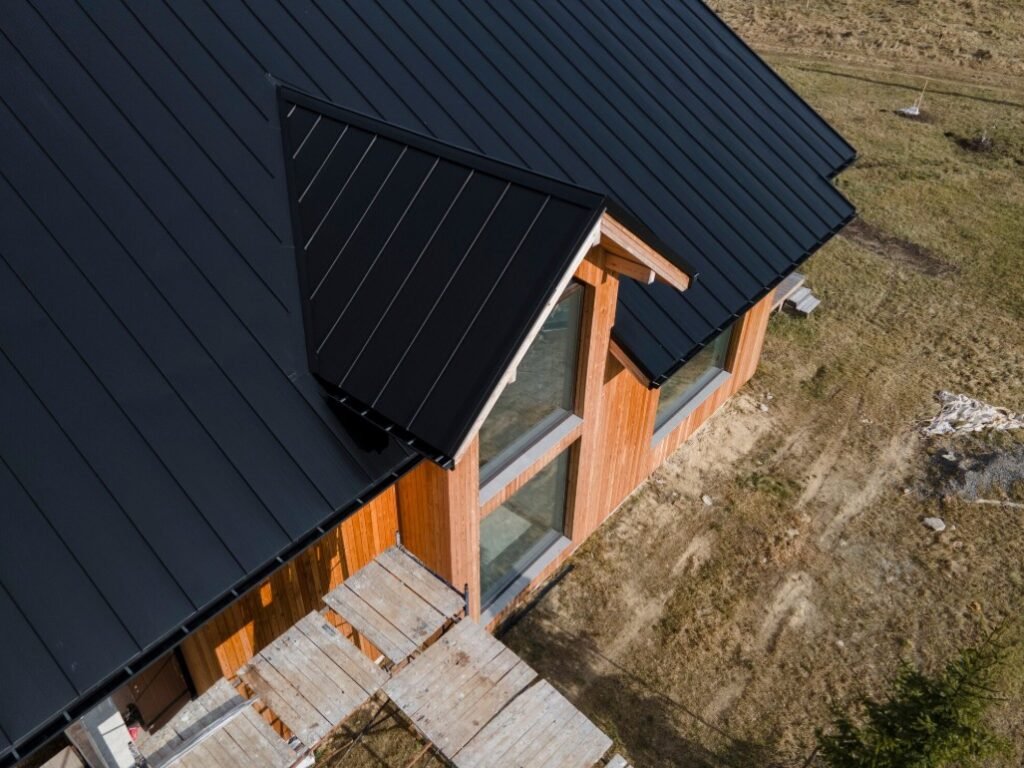
The challenge with roof replacement in Hobart-It’s one of the largest investments you’ll make in your property, with costs depending on size, materials, and complexity. Making informed decisions requires understanding processes, costs, materials, contractors, and potential pitfalls.
After twenty years managing roof replacement projects across Greater Hobart and Southern Tasmania, I’ve guided hundreds of homeowners through this process. This comprehensive guide shares everything you need to know to plan, budget for, and successfully complete your roof replacement project.
When Roof Replacement Makes Sense
Before diving into the “how,” let’s confirm the “when.” Not every aging roof needs replacement—but some genuinely do.
Clear Indicators Replacement Is Your Best Option
Your roof likely needs replacement if:
Age at end-of-life:
Tile roofs 60+ years, metal roofs 35-40+ years
Widespread material failure:
Many tiles cracked/broken or extensive metal corrosion across 50%+ of surface
Structural problems:
Sagging roof lines, rotted framing, inadequate support
Repair costs approaching replacement:
Comprehensive repairs would cost 50%+ of replacement
Multiple previous repair attempts:
Pattern of recurring problems indicating systemic failure
Wrong materials for location:
Standard products failing in harsh coastal environment
Long-term residence plans:
You intend to stay 15+ years and want certainty
For detailed guidance on determining whether your roof needs repairs or replacement, see our comprehensive article: How to Tell if Your Roof Needs Repairs or a Full Replacement.
When to Consider Waiting
Replacement might not be urgent if:
- Roof functions reliably with only minor issues
- Recent targeted repairs have addressed specific problems successfully
- Comprehensive restoration could add 10-15 years at fraction of replacement cost
- You’re planning to sell within 2-3 years (repairs might be more economical)
- Budget constraints require phasing work over time
Professional assessment helps clarify whether your situation requires replacement or whether alternatives make sense. Regular roof inspections identify problems early—see Why Regular Roof Inspections Are Essential for Tasmanian Homes for comprehensive guidance.
Cost Factors Specific to Hobart Locations
Coastal suburbs (Bellerive, Howrah, Sandy Bay):
- Require coastal-rated materials (+10-15% cost)
- More stringent installation specifications
- Enhanced corrosion protection essential
Heritage areas (Battery Point, North Hobart):
- May require specific tile types or matching
- Council approval processes
- Sometimes limited contractor selection
- Material sourcing can be challenging (+15-25% cost)
Difficult access properties:
- Steep blocks requiring extensive scaffolding
- Limited street access for material delivery
- Narrow lanes preventing equipment access
- Additional labor and equipment costs (+10-30%)
Bushfire-prone areas (Mount Nelson, Fern Tree):
- Must meet BAL ratings
- May require ember guards and specific materials
- Additional compliance costs
Choosing Roofing Materials for Hobart Climate
Material selection significantly impacts performance, longevity, and costs.
Colorbond and Metal Roofing
Best for:
◉ Coastal properties (with proper coastal rating)
◉ Modern architectural styles
◉ Homes requiring lightweight roofing
◉ Owners wanting low maintenance
◉ Properties with challenging access (lighter materials easier to handle)
Advantages in Hobart:
◉ Excellent wind resistance
◉ Superior performance in salt air (if coastal-rated)
◉ Low maintenance requirements
◉ Energy efficient with Thermatech® technology
◉ Quick installation (1-2 weeks typically)
◉ Wide color range
Considerations:
◉ More noise during rain (insulation addresses this)
◉ Can dent from hail or falling branches
◉ Paint may fade over decades (within warranty limits)
◉ Requires coastal-grade in appropriate locations
Concrete Tile Roofing
Best for:
◉ Traditional home styles
◉ Budget-conscious projects
◉ Homes with adequate structural capacity
◉ Owners wanting good longevity
◉ Areas without extreme coastal exposure
Advantages in Hobart:
◉ Excellent value for longevity
◉ Natural thermal mass (energy efficiency)
◉ Quiet during storms
◉ Wide range of profiles and colors
◉ Fire resistant
Considerations:
◉ Heavy (requires adequate structure)
◉ Requires more maintenance than metal
◉ Moss growth in sheltered areas
◉ Supporting components (valleys, ridges) need attention every 15-25 years
Expected lifespan: 50-60 years with proper maintenance
Terracotta Tile Roofing
Best for:
◉ Heritage properties
◉ Premium homes
◉ Traditional architectural styles
◉ Long-term family homes
◉ Areas with heritage requirements
Advantages in Hobart:
◉ Exceptional longevity (60-100+ years)
◉ Beautiful natural appearance
◉ Excellent thermal properties
◉ Fire resistant
◉ Ages gracefully
Considerations:
◉ Highest initial cost
◉ Very heavy (structural capacity critical)
◉ Can be brittle (careful handling required)
◉ Limited color options (natural earth tones)
◉ Some profiles require specialized installation
Material Selection by Hobart Suburb
Coastal (Bellerive, Howrah, Sandy Bay, Eastern Shore): Recommendation: Coastal-rated Colorbond Why: Superior salt air resistance, proven long-term performance Alternative: Quality tiles with galvanized/stainless steel valleys and components
Sheltered valleys (Lenah Valley, South Hobart): Recommendation: Either tiles or metal, based on aesthetic preference Why: Less salt stress, moss management similar for both with proper maintenance Note: Budget for regular cleaning if choosing tiles
Heritage areas (Battery Point, North Hobart, West Hobart): Recommendation: Terracotta or quality concrete tiles matching area character Why: Aesthetic appropriateness, council requirements, property value considerations Note: Verify council requirements before selecting materials
Modern developments (Kingston, Brighton, Blackmans Bay): Recommendation: Colorbond for contemporary appeal Why: Clean lines suit modern architecture, lower maintenance appeals to busy homeowners Alternative: Modern-profile concrete tiles for different aesthetic
Bushfire-prone (Mount Nelson, Fern Tree, Ridgeway): Recommendation: Tiles for maximum fire resistance Why: Non-combustible, excellent ember protection Alternative: BAL-rated Colorbond meeting required standards
The Roof Replacement Process: What to Expect
Understanding the process helps you plan and know what’s normal vs. concerning.
Phase 1: Planning and Preparation (2-4 weeks before work)
Step 1: Comprehensive assessment
◉ Professional inspection of existing roof
◉ Roof cavity inspection for hidden problems
◉ Structural assessment
◉ Measurement and calculation
Step 2: Material selection
◉ Choose roofing type based on needs, budget, location
◉ Select colors/profiles
◉ Specify appropriate grades (coastal ratings, etc.)
◉ Decide on associated options (gutters, insulation, etc.)
Step 3: Detailed quoting
◉ Get 2-3 detailed written quotes
◉ Compare scope, materials, costs, warranties
◉ Verify all necessary work is included
◉ Check contractor credentials and references
Step 4: Contractor selection
◉ Choose based on quote quality, references, credentials
◉ Verify licensing and insurance through Consumer, Building and Occupational Services Tasmania
◉ Review contract terms carefully
◉ Understand warranty coverage
◉ Confirm payment schedule
Step 5: Pre-work preparation
◉ Obtain necessary permits
◉ Schedule work timing
◉ Arrange material delivery
◉ Notify neighbors of upcoming work
◉ Plan for household disruption
Phase 2: Demolition and Removal (1-3 days)
Day 1-2: Existing roof removal
What happens:
◉ Contractors establish safety perimeters
◉ Set up scaffolding if required
◉ Begin systematic removal of existing roofing
◉ Remove valleys, flashings, and capping
◉ Dispose of materials in skip bins
◉ Initial assessment of roof structure revealed
What you'll experience:
◉ Significant noise throughout the day
◉ Dust and vibration in house
◉ Workers on and around your property
◉ Large skip bins taking up space
◉ Your home is partially exposed (weather-dependent scheduling critical)
Normal vs. concerning:
Normal: Dust, noise, debris around property perimeter, workers on roof 7am-5pm
Concerning: Structural problems discovered that weren’t identified in assessment, excessive damage to surrounding property, poor site management
Your role:
- Keep pets inside
- Don’t park cars near work area
- Be available for questions about unexpected issues
- Document with photos if you notice concerns
Day 2-3: Structural assessment and repairs
What happens:
◉ With old roofing removed, structure is fully visible
◉ Any timber rot or damage is apparent
◉ Necessary repairs can be assessed accurately
◉ Structural work completed before new roofing begins
Potential discoveries:
◉ Rotted rafters or battens (common if there's been long-term leaks)
◉ Inadequate ventilation
◉ Previous poor-quality repairs
◉ Pest damage
◉ Inadequate bracing or support
Cost implications:
Minor timber repairs: Often included in original quote (within reason) Major structural work: May require additional costs—discuss immediately
Communication is key:
Good contractors will:
- Show you any problems discovered
- Explain implications
- Provide photos
- Give immediate cost quotes for additional work
- Get your approval before proceeding with extras
Phase 3: New Roof Installation (3-7 days depending on complexity)
Step 1: Sarking and battens
What happens:
◉ New sarking (waterproof membrane) installed
◉ New battens fixed to rafters
◉ Valleys and flashing systems installed
◉ Quality contractors ensure proper ventilation
Why this matters:
◉ Sarking is your waterproof layer—critical for protection
◉ Battens must be straight and properly spaced
◉ Proper installation here determines final roof quality
Step 2: Main roofing material installation
For tile roofs:
◉ Tiles laid systematically from bottom to top
◉ Each tile properly positioned and secured
◉ Mechanical fastening in wind-prone areas
◉ Cut tiles around penetrations and edges
◉ Timeline: 3-5 days for average home
For metal roofs:
◉ Sheets installed with proper overlap
◉ Fasteners placed correctly and sealed
◉ Valleys integrated properly
◉ Flashing detailed around all penetrations
◉ Timeline: 2-4 days for average home
What you'll experience:
◉ Continued noise (tile work is quieter than metal)
◉ Workers on roof throughout daylight hours)
◉ Progressive completion visible)
◉ Material deliveries)
◉ Site remains busy
Step 3: Ridge, flashing, and finishing
What happens:
◉ Ridge and hip systems installed
◉ All flashing around chimneys, vents, walls completed
◉ Edge trims and cappings installed
◉ Gutter installation or replacement if included
◉ Final sealing and detail work
Quality markers:
◉ Straight, even ridge lines
◉ Neat flashing work
◉ Proper sealant application
◉ Clean finishes around all edges
Phase 4: Completion and Clean-up (1 day)
Final work:
◉ Site clean-up and debris removal
◉ Final inspection by contractor
◉ Systems check (test gutters, verify all components)
◉ Touch-ups and corrections if needed
◉ Removal of scaffolding and equipment
Your final inspection:
◉ Walk around property with contractor
◉ View completed work from ground level
◉ Verify all agreed work completed
◉ Identify any concerns immediately
◉ Confirm warranty documentation
Documentation you should receive:
◉ Signed completion certificate
◉ All product warranties
◉ Workmanship warranty documentation
◉ Maintenance recommendations
◉ Payment receipt showing paid in full
◉ Contractor contact information
Total Timeline
Complete roof replacement typically takes:
- Planning phase: 2-4 weeks
- Active work: 5-10 days (depending on size and complexity)
- Weather delays: Factor in 0-5 additional days
- Total project: 4-8 weeks from contract signing to completion
Weather impact:
Hobart’s changeable weather can affect timelines:
- Rain delays work (can’t install roofing in wet conditions)
- Strong winds prevent safe work at heights
- Extreme cold affects sealant curing
Good contractors:
- Monitor weather forecasts
- Have contingency plans
- Protect your home if delays occur
- Communicate proactively about schedule changes
Choosing the Right Roofing Contractor
Contractor selection is as important as material selection. Poor workmanship negates quality materials.
Essential Credentials to Verify
Must-haves (non-negotiable):
Valid contractor license:
- Required in Tasmania for roofing work
- Verify on CBOS Tasmania website
- Confirm license is current and in good standing
Public liability insurance:
- Minimum $10 million coverage
- Protects you if something goes wrong
- Request certificate of currency
Workers compensation insurance:
- Protects workers injured on your property
- You can be liable if contractor doesn’t have this
- Request proof before work begins
Physical business address:
- Not just a mobile number
- Established local presence
- Can be contacted after project completion
Questions to Ask Before Hiring
About their experience:
“How long have you been doing roof replacements in Hobart specifically?”
- Look for: 10+ years local experience
- Red flag: Vague answers or very recent start
“How many roofs like mine (tile/metal) have you replaced in the past year?”
- Look for: Dozens, with this as primary business
- Red flag: “We do all types of work” (jacks of all trades)
“Can you show me examples of similar projects you’ve completed?”
- Look for: Photos, addresses of viewable work, detailed documentation
- Red flag: No portfolio or reluctance to show previous work
About the project:
“What specific challenges do you foresee with my roof?”
- Look for: Thoughtful analysis of your specific situation
- Red flag: “It’s straightforward, no problems” (every project has considerations)
“What’s included in your quote vs. what might be extra?”
- Look for: Detailed breakdown, clear scope, reasonable allowances for unknowns
- Red flag: Vague inclusions, surprise costs common in reviews
“What warranty do you provide on workmanship?”
- Look for: Minimum 10 years on complete replacement
- Red flag: Short warranty periods or vague warranty terms
“How do you handle unexpected issues discovered during removal?”
- Look for: Clear communication process, immediate quotation for extras, your approval required
- Red flag: “We’ll handle whatever comes up” (invites surprise bills)
About logistics:
“What’s your typical timeline from contract to completion?”
- Look for: Realistic timeframe with weather contingencies
- Red flag: Immediate start or unrealistic rush timelines
“Who actually does the work—your employees or subcontractors?”
- Look for: Clarity about who’s on your roof
- Red flag: Vague about who performs work
“How do you protect my property and landscaping during work?”
- Look for: Specific site protection measures
- Red flag: “We’re careful” without detailed approach
Red Flags That Should End the Conversation
Immediate disqualifiers:
❌ Can't provide proof of licensing and insurance
❌ Pressure to sign contract immediately or "today only" pricing
❌ Requests large upfront payment (over 30%)
❌ Cash-only deals or "cheaper if you pay cash"
❌ No physical business address or verifiable history
❌ Unwilling to provide written detailed quote
❌ Generic bad-mouthing of all competitors
❌ Quotes dramatically lower than others without clear explanation
❌ No recent, verifiable references
Concerning patterns:
◉ Evasive about specific questions
◉ Promises seem too good to be true
◉ Poor communication or slow responses
◉ Unprofessional presentation or conduct
◉ Online reviews reveal pattern of problems
For comprehensive guidance on contractor selection, see our detailed article: Choosing the Right Tile Roofers in Hobart Matters.
Financing Options
Home equity loan/line of credit:
- Often lowest interest rates
- Tax-deductible in some cases
- Requires adequate equity in property
Personal loan:
- No property collateral required
- Quick approval process
- Higher interest rates than secured loans
Specialized home improvement loans:
- Some lenders offer specific products for renovations
- Terms vary widely
- Compare rates and conditions
Refinancing with cash out:
- Access equity while potentially securing better mortgage rate
- Longer repayment period
- Highest total cost but lowest monthly payment
Credit cards:
- Only for smaller amounts or short-term bridging
- High interest rates make this expensive for large amounts
- Consider promotional 0% periods if available
Government programs:
The Clean Energy Finance Corporation (CEFC) sometimes offers programs for energy-efficient home improvements that could include roofing with insulation upgrades. Check current offerings.
Cost-Saving Strategies (That Don’t Compromise Quality)
Legitimate ways to reduce costs:
Timing flexibility:
◉ Off-peak scheduling (winter) sometimes offers better rates
◉ Contractors may discount to fill schedule gaps
◉ Being flexible with start dates can save 5-10%
Material selection:
◉ Concrete tiles vs. terracotta (if both suit your needs)
◉ Standard vs. premium color options
◉ Essential inclusions vs. nice-to-have additions
Doing preparatory work yourself:
◉ Clearing area around house
◉ Moving outdoor furniture and plants
◉ Coordinating permits (if you have time and knowledge)
◉ Post-project cleanup
Getting multiple quotes:
◉ Competition drives fair pricing
◉ Ensures you understand market rates
◉ Reveals if one quote is unreasonable
Coordinating with other work:
◉ Schedule roof replacement with planned solar installation
◉ Combine with gutter replacement rather than doing separately
◉ Coordinate access/scaffolding with other exterior work
False economies to avoid:
❌ Choosing cheapest quote regardless of quality indicators
❌ Saving money by skipping necessary structural work
❌ Using standard materials where coastal-rated required
❌ Eliminating warranty coverage to reduce cost
❌ Hiring unlicensed contractors
❌ Delaying necessary work until it becomes emergency
Preparing Your Home and Property
Preparation prevents problems and speeds the project.
Before Work Begins
Inside your home:
Attic/roof cavity:
◉ Remove stored items from roof space
◉ Cover remaining items with tarps
◉ Expect dust to filter through
◉ Consider relocating sensitive items
Upper rooms:
◉ Remove wall hangings and fragile items
◉ Protect furniture with sheets
◉ Expect vibration and noise
◉ Clear access to roof hatches
Throughout house:
◉ Inform household members of schedule
◉ Plan for noise disruption (work from home challenges)
◉ Arrange pet care (keep pets inside and calm)
◉ Consider alternative arrangements for noise-sensitive situations
Outside your property:
Immediate area:
◉ Clear driveway and yard perimeter for equipment access
◉ Move vehicles away from work areas
◉ Relocate potted plants and outdoor furniture
◉ Trim garden plants near house (or protect them)
◉ Remove wall-mounted items (basketball hoops, decorations)
Access considerations:
◉ Ensure contractors can reach all sides of house
◉ Clear pathways for material carrying
◉ Identify where skip bins will be positioned
◉ Discuss with contractors about property protection
Neighbor notification:
Good practice:
◉ Inform neighbors about upcoming work
◉ Provide timeline (start date, expected duration)
◉ Apologize in advance for noise and disruption
◉ Give contact information if they have concerns
◉ Consider small gesture (note with chocolate/wine)
This prevents neighbor complaints and maintains good relationships.
During the Project
Your daily role:
Be available but not obtrusive:
◉ Available by phone for contractor questions
◉ Don't need to be on-site constantly
◉ Don't hover over workers (creates tension)
◉ Do periodic check-ins to see progress
Maintain communication:
◉ Daily quick check-in with site supervisor
◉ Address any concerns immediately
◉ Document progress with photos
◉ Keep records of any changes discussed
Safety first:
◉ Keep children and pets away from work areas
◉ Don't enter active work zones
◉ Never walk under active roofing work
◉ Respect safety barriers and signage
Normal disruptions to expect:
Noise: 7am-5pm typically, continuous during work days Dust: Some fine dust may enter house despite precautions Vibration: Particularly during demolition phase Loss of privacy: Workers will be visible from certain rooms Parking limitations: Equipment and vehicles take space
Concerning issues to raise immediately:
◉ Unsafe work practices
◉ Damage to property beyond reasonable wear
◉ Workers entering house without permission
◉ Failure to follow agreed scope
◉ Poor workmanship visible even to untrained eye
◉ Communication breakdown with contractor
Post-Replacement Care and Maintenance
Your new roof is an investment—protect it with proper care.
First Year After Replacement
First rain event:
◉ Watch for any leaks or issues
◉ Check gutters are flowing properly
◉ Verify all flashing is waterproof
◉ Contact contractor immediately if any concerns
First three months:
◉ Visual inspection monthly from ground level
◉ Look for any settling or movement
◉ Check that everything remains as installed
◉ Document condition with photos
End of first year:
◉ Professional inspection recommended
◉ Verify workmanship warranty is holding
◉ Address any minor issues before they grow
◉ Establish baseline for ongoing maintenance
Ongoing Maintenance Schedule
Annual tasks:
◉ Professional gutter cleaning (spring and autumn minimum)
◉ Visual inspection from ground level
◉ Trim back overhanging branches
◉ Clear any debris from roof surface
◉ Check flashing and sealants
Every 2-3 years:
◉ Professional roof inspection
◉ Professional cleaning if moss developing (tile roofs in sheltered areas)
◉ Fastener check for metal roofs in coastal areas
As needed:
◉ After major storms: visual check for damage
◉ After tree work: ensure no debris or damage
◉ Before property sale: professional inspection and report
For comprehensive maintenance guidance, see our article on Spring Roof Care Tips Every Tasmanian Homeowner Should Know.
Warranty Management
Keep organized records:
◉ All warranty documentation in safe place
◉ Product warranties from manufacturers
◉ Workmanship warranty from installer
◉ Transfer instructions if you sell
Understand warranty requirements:
◉ Many require proof of maintenance
◉ Some require specific maintenance schedules
◉ Document all professional maintenance
Making warranty claims:
◉ Contact contractor/manufacturer as soon as problem appears
◉ Provide documentation and photos
◉ Follow specified claim process
◉ Keep records of all communications
Common Roof Replacement Mistakes to Avoid
Learn from others’ errors:
Mistake #1: Choosing based solely on price
The cheapest quote often becomes the most expensive when problems arise. Value and quality matter more than lowest price.
Mistake #2: Not verifying credentials
Unlicensed contractors leave you without recourse when problems occur. Always verify licensing and insurance.
Mistake #3: Accepting vague quotes
"Complete roof replacement: $25,000" tells you nothing. Demand itemized quotes specifying all inclusions.
Mistake #4: Ignoring structural issues
Putting new roofing on damaged structure is false economy. Address structural problems properly.
Mistake #5: Wrong materials for location
Standard products in coastal areas or inappropriate materials for climate lead to premature failure.
Mistake #6: Paying too much upfront
Never pay more than 30% deposit. Retain significant final payment until satisfied with completion.
Mistake #7: No written contract
Verbal agreements are unenforceable. Everything must be in writing with clear terms.
Mistake #8: Skipping permits
Required permits protect you legally and ensure work meets standards. Don't skip them to save time or money.
Mistake #9: Not planning for disruption
Roof replacement is disruptive. Plan accordingly for work, pets, children, and daily life.
Mistake #10: Forgetting about access
Ensure contractors can actually access all areas of your roof. Difficult access increases costs significantly.
Special Considerations for Hobart Properties
Coastal Properties
Critical requirements:
- Coastal-rated materials mandatory
- Enhanced fastening specifications
- More frequent maintenance schedule
- Careful flashing detailing
- Annual freshwater washing recommended
Common mistake: Using standard-grade materials to save money, leading to premature failure
Heritage Properties
Special considerations:
- Council approval may be required
- Material matching challenges
- Specialized contractors necessary
- Higher costs for appropriate materials
- Heritage requirements trump some cost considerations
Resources: Check with Hobart City Council for specific heritage requirements before planning replacement.
Bushfire-Prone Areas
Mandatory requirements:
- Roof must meet BAL rating for area
- Ember guards may be required
- Specific material specifications
- No shortcuts—safety critical
Verification: Check bushfire overlay maps and building requirements before material selection.
Difficult Access Properties
Impacts on project:
- Steep blocks may require extensive scaffolding
- Narrow lanes limit equipment and material access
- Hand-carrying materials increases labor costs
- Additional time required
Planning: Discuss access challenges upfront. Some properties genuinely cost more to roof due to access limitations.
When to Schedule Your Roof Replacement
Timing can affect cost, quality, and convenience.
Best Seasons for Roof Replacement in Hobart
Summer (December-February): Pros: Stable weather, fast material curing, longer daylight hours, optimal working conditions
Cons: Peak season pricing, contractor availability limited, intense heat can be challenging
Best for: Projects requiring speed and minimal weather delay risk
Autumn (March-May): Pros: Mild weather, good working conditions, less busy than summer, competitive pricing
Cons: Increasing rainfall toward late autumn, shorter days
Best for: Flexible timelines, avoiding peak pricing
Winter (June-August): Pros: Off-peak pricing potential, contractor availability better, less competition for scheduling
Cons: Weather delays common, cold affects sealant curing, shorter working days, higher rain risk
Best for: Budget-conscious projects with flexible timelines, emergency replacements
Spring (September-November): Pros: Improving weather, reasonable contractor availability, moderate pricing, preparing for summer
Cons: Unpredictable weather, contractor schedules filling for summer
Best for: Planning ahead for busy season, addressing winter damage
Planning Timeline
Ideal timeline:
- Research and education: 2-3 months before desired work
- Get quotes and select contractor: 6-8 weeks before
- Contract and scheduling: 4-6 weeks before
- Material ordering: 2-4 weeks before
- Work completion: Scheduled window
Rush timeline (if necessary):
- Emergency situations can be accommodated faster
- Premium pricing often applies
- Limited material/contractor choices
- Only for genuine emergencies (severe damage, failed roof)
The keys to success are:
- Comprehensive planning and research
- Appropriate material selection for your location
- Verified, experienced local contractors
- Detailed written contracts
- Realistic budgets with contingencies
- Proper ongoing maintenance
Your new roof should be the last one you need to think about for 40-50+ years. Make the decisions that deliver that outcome.
Your Roof Replacement Partner
At Tasmanian Roofing Specialists, we’ve been managing complete roof replacements across Greater Hobart and Southern Tasmania for over 20 years. We understand local conditions, material requirements, and what makes roof replacement projects successful.
Our comprehensive replacement service includes:
- Detailed assessment and honest recommendations
- Material guidance specific to your location and needs
- Transparent itemized quoting
- Experienced installation teams
- Full project management
- Comprehensive warranties on workmanship and materials
- Post-completion support and maintenance guidance
We don’t pressure, we don’t cut corners, and we don’t disappear after final payment. We’re local, established, and committed to delivering roof replacements that protect Hobart homes for decades.
Whether you’re definitely ready for roof replacement or still determining if it’s necessary, we provide the expertise and transparency you need to make confident decisions about one of your home’s most critical investments.
Because a new roof isn’t just about the next few years—it’s about protecting your home for the next generation.