The thing about roof problems—they’re masters of disguise. By the time you notice water dripping through your ceiling or stains appearing on your walls, significant damage has already occurred. The leak you see today probably started months ago, quietly working its way through your roof cavity, saturating insulation, and rotting timber framing.
After twenty years inspecting roofs across Greater Hobart and Southern Tasmania, I’ve seen this scenario play out hundreds of times. Homeowners who assume their roof is fine because they don’t see obvious problems, only to discover thousands of dollars in hidden damage during a professional inspection or—worse—during a real estate sale when a building inspector delivers bad news to potential buyers.
The solution isn’t complicated: regular professional roof inspections. They’re not exciting, they’re not glamorous, and they definitely don’t improve your home’s Instagram appeal. But they’re one of the smartest investments you can make in protecting your property.
This guide will explain exactly why regular roof inspections matter in Tasmania’s unique climate, what inspectors actually look for, how often you should schedule them, and how these routine checks can save you from expensive roof repair or premature roof replacement in Hobart.
Tasmania’s Climate: Why Our Roofs Need More Attention
Before we talk about inspections specifically, you need to understand why Tasmanian roofs face more challenges than roofs in many other parts of Australia.
We Get Weather That Actually Tests Roofs
Unlike the relatively stable, dry climates in much of mainland Australia, Tasmania throws everything at our roofs: powerful westerlies that can lift roofing materials and stress fasteners, salt-laden coastal air that corrodes metal components, heavy rainfall that tests every seal and flashing, temperature swings from frost to summer heat, occasional hail that can damage tiles and metal, and extended periods of dampness that promote biological growth.
Your roof isn’t just sitting there looking pretty—it’s under constant attack from environmental forces. Even quality roofing materials properly installed will develop problems over time in these conditions.
Coastal Corrosion Accelerates Everywhere
If you live anywhere on the Eastern Shore—Bellerive, Howrah, Lauderdale, Seven Mile Beach—or in coastal suburbs like Sandy Bay, Taroona, or Kingston Beach, salt air is gradually working on every metal component of your roof. Valley irons, screws, flashing, and even Colorbond coatings face accelerated degradation.
I’ve seen valley irons that should last 30 years fail in 15 because of salt exposure. Ridge cap screws that rust through in half their expected lifespan. This isn’t a failure of materials—it’s simply the reality of coastal environments.
Regular inspections catch this corrosion early, when you can address specific components rather than facing complete roof restoration or replacement.
Moss and Lichen Love Our Climate
Hobart’s sheltered suburbs—Lenah Valley, South Hobart’s valleys, Mount Stuart, anywhere with tree cover and limited direct sun—create perfect conditions for biological growth on roofs.
Moss and lichen aren’t just cosmetic issues. They retain moisture against roofing surfaces, work into cracks, lift tile edges, and gradually degrade materials. A roof that starts with light moss growth in a few shaded areas can develop heavy coverage across entire slopes within 3-4 years if neglected.
Regular inspections identify biological growth before it becomes a major problem requiring expensive professional roof cleaning or, in extreme cases, roof restoration work.
Hidden Damage From Falling Branches
Tasmania’s tree coverage is beautiful, but those gum trees and she-oaks drop branches, especially during storms. Even small branches falling from height can crack tiles, dent metal roofing, damage ridge caps, or puncture sarking.
Often, homeowners don’t even know a branch has fallen on their roof. It bounces off, slides into the gutter, and leaves behind a cracked tile or dented metal sheet that becomes a leak point within months.
Inspections catch this impact damage before water entry begins.
What Professional Roof Inspections Actually Involve
Many homeowners have never had a professional roof inspection, so they’re not sure what to expect. Let me walk you through what we do during a comprehensive inspection.
External Roof Surface Examination
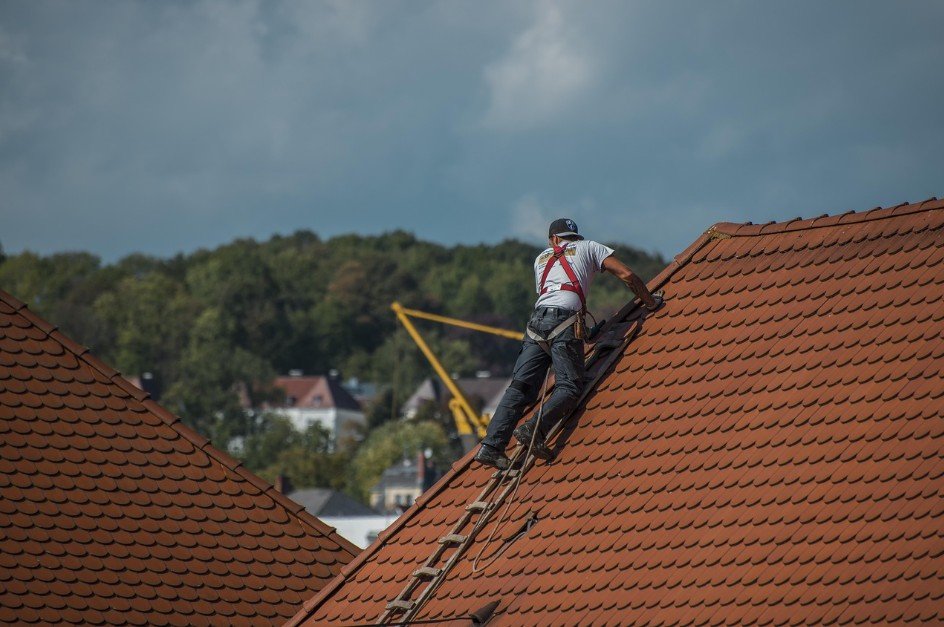
We physically access the roof (safely, with proper equipment) and examine every section:
For tile roofs:
◉ Individual tile condition (cracks, chips, displacement)
◉ Ridge and hip cap integrity
◉ Mortar bedding condition
◉ Valley condition and alignment
◉ Flashing around chimneys, vents, and skylights
◉ Tile fastening (mechanical clips or mortar bedding)
◉ Signs of foot traffic damage
Moss or lichen growth patterns
For Colorbond and metal roofs:
◉ Sheet condition (rust, corrosion, denting)
◉ Fastener condition (rust, looseness, proper sealing)
◉ Paint or coating integrity
◉ Flashing and capping condition
◉ Valley installations
◉ Penetration seals (vents, pipes, antennas)
◉ Evidence of panel movement or uplift
For all roof types:
◉ Gutter condition and attachment
◉ Downpipe functionality
◉ Roof pitch and water flow patterns
◉ Overhanging branches that need trimming
◉ Debris accumulation
Roof Cavity Inspection
This is where we often find the most concerning issues—problems completely invisible from outside or inside your home.
Inside the roof cavity, we look for:
- Water stains on rafters or sarking (indicating past or present leaks)
- Timber rot or deterioration
- Mold growth on framing or insulation
- Damaged or saturated insulation
- Ventilation adequacy
- Evidence of pest activity
- Structural issues (sagging rafters, inadequate bracing)
- Electrical wiring condition near roof penetrations
I’ve found serious problems during cavity inspections that homeowners had no idea existed: active leaks that hadn’t yet penetrated the ceiling, timber rot affecting structural integrity, mold colonies that explained mysterious respiratory issues, and electrical hazards where water had tracked along wiring.
Interior Ceiling Inspection
From inside your home, we examine:
- Ceiling condition (stains, dampness, sagging)
- Paint condition (bubbling or peeling indicating moisture)
- Mold or mildew signs
- Ventilation effectiveness
- Any evidence of water entry
Documentation and Reporting
Professional inspections should produce written reports with:
- Detailed findings for each roof component
- Photos documenting conditions and any problems
- Severity ratings (immediate attention needed vs. monitor vs. acceptable)
- Recommendations for repairs or maintenance
- Estimated costs for recommended work
- Timeline guidance (address now vs. within 6 months vs. plan for 2-3 years)
This documentation is valuable not just for planning maintenance but also for insurance claims, warranty issues, or property sales.
Hidden Problems That Only Inspections Reveal
Let me share some real examples of problems we’ve discovered during routine inspections—issues that homeowners had absolutely no idea existed.
The Silent Valley Failure
We inspected a tile roof in Glenorchy as part of a routine maintenance check. From the ground, everything looked perfect. The homeowner reported no leaks, no problems.
When we accessed the roof, we found one valley iron had corroded through at a single point—a hole about the size of a ten-cent coin. Water was entering there during heavy rain, running along a rafter, and dripping into the roof cavity where it was soaking insulation but hadn’t yet penetrated the ceiling.
Another six months—maybe one winter—and the homeowner would have had a major leak, saturated insulation, and probable timber damage. Because we caught it during a routine inspection, the repair cost $$ for valley replacement. Waiting would have meant doubled or even tripled in repairs plus interior restoration.
The Invisible Tile Cracks
Battery Point, heritage tile roof, no visible problems from the ground. During our inspection, we found twelve tiles with hairline cracks—not broken through yet, but compromised. These cracks were only visible up close and wouldn’t have been noticed during a casual visual check from ground level.
Within one more winter’s freeze-thaw cycles, those hairline cracks would have become full breaks. Twelve tile replacements done proactively cost a fraction of their budget. Emergency repairs after they’d failed and started leaking? Plus water damage costs!
The Ridge Cap Time Bomb
Mount Nelson home, concrete tile roof, looked great from the street. The homeowner was planning to sell within the year.
Our inspection revealed that ridge mortar bedding had deteriorated significantly—at least 60% of the ridge length needed rebedding. Ridge tiles were still in place but barely secure. One good storm could have lifted multiple tiles.
We recommended addressing this before listing. The homeowner did, investing in proper ridge restoration. When they listed three months later, the building inspector’s report noted “well-maintained roof, recently restored ridge system.”
If they’d listed without that work? The building inspector would have flagged major roof issues. Buyers would have demanded a price reduction or worse, walked away entirely. That investment protected significantly more in sale value.
The Moss Concealing Tile Damage
Lenah Valley property, tile roof with moderate moss coverage. The homeowner wanted moss removal but otherwise thought the roof was fine.
During our pre-cleaning inspection, we found that moss had concealed significant tile surface degradation. Twenty-plus tiles had delaminated under the moss—their surfaces breaking down in a way that wasn’t visible until we removed the growth.
Had we simply cleaned without proper inspection, the homeowner would have discovered those failing tiles during the next heavy rain—after we’d left, with unclear responsibility for repairs. Proper inspection beforehand identified the problem, and we provided accurate quotes for both cleaning and necessary tile repairs.
How Often Should Hobart Homes Get Roof Inspections?
The right inspection frequency depends on several factors specific to your property.
Standard Recommendation: Every 2-3 Years
For most Hobart homes with roofs in good condition, professional inspection every 2-3 years catches developing issues before they become urgent.
This frequency allows us to:
- Track gradual deterioration over time
- Identify problems early in their development
- Plan and budget for necessary maintenance
- Maintain warranty coverage (many warranties require regular inspections)
- Document roof condition for insurance purposes
More Frequent Inspections for High-Risk Properties
Annual inspections recommended for:
Coastal properties (within 1km of the ocean):
Properties in Lenah Valley, South Hobart valleys, heavily treed Mount Stuart areas should be inspected annually to monitor moss growth, check for branch damage, and clear debris before it causes problems.
Homes with significant tree coverage:
(within 1km of the ocean): Salt air accelerates all deterioration. Bellerive, Howrah, Seven Mile Beach, beachfront Sandy Bay—these locations benefit from annual checks of metal components.
Roofs over 25 years old:
Aging roofs develop problems more frequently. Annual inspections let you stay ahead of issues and plan eventual roof replacement in Hobart with proper budgeting rather than emergency spending.
Properties with previous roof repairs:
If you've had leak repairs, valley replacements, or other significant work, annual inspections for the first 2-3 years verify repairs are holding and no new problems have developed.
Heritage or complex roof designs:
Multi-valley systems, complex intersections, heritage tiles—these require more frequent monitoring due to increased failure points.
After Major Weather Events
Beyond scheduled inspections, we recommend checks after:
- Severe storms with high winds
- Hail events
- Heavy snowfall (rare but occurs in elevated suburbs)
- Extended periods of heavy rain
- Any event where you notice debris on your roof
These post-event inspections catch damage while it’s fresh and before it causes secondary problems. Many insurance policies require timely reporting of storm damage—waiting months voids coverage.
Pre-Sale Inspections
If you’re planning to sell within 12 months, schedule a professional roof inspection now, not when you list.
This gives you time to address any problems on your terms, with contractors you choose, at prices you can negotiate. Discovering roof issues during buyer inspections puts you in a weak position—you’ll either make repairs rushed and expensive, reduce your price significantly, or lose the sale entirely.
A pre-sale roof inspection and any recommended roof maintenance in Hobart protects your sale price and speeds transaction.
Insurance Considerations
Some insurance policies offer premium discounts for documented regular maintenance. More importantly, insurance claims can be denied if insurers determine problems resulted from lack of maintenance rather than sudden events.
Regular inspections create documentation that you’ve maintained your property responsibly. This documentation can be crucial in insurance disputes.
We’ve helped clients with insurance claims where our inspection records proved that damage was sudden (from a recent storm) rather than gradual neglect. Without those records, the claims might have been denied.
Property Value Protection
A well-maintained roof isn’t just about avoiding repair costs—it’s about protecting your property’s value.
Real estate agents consistently report that roof condition significantly affects:
- Sale price (buyers will negotiate thousands off for roof concerns)
- Time on market (buyers are cautious about properties with roof issues)
- Sale success rate (serious buyers often walk away from roof problems)
Regular inspections and maintenance keep your roof in condition that supports rather than undermines your property value. For more guidance on when issues require full replacement rather than repairs, see our article on How to Tell if Your Roof Needs Repairs or a Full Replacement.
What to Do With Inspection Findings
A professional inspection report should give you clear direction, but you still need to make decisions about what to address and when.
Prioritize by Urgency
Address immediately (within days/weeks):
◉ Active leaks
◉ Structural issues
◉ Loose or missing roofing materials
◉ Compromised flashing around chimneys or walls
◉ Anything posing safety risk
These problems will worsen rapidly and cause escalating damage. Don't delay.
Address soon (within 3-6 months):
◉ Deteriorating ridge or hip caps
◉ Valley sections showing significant rust or wear
◉ Multiple damaged tiles
◉ Moderate moss or lichen growth
◉ Gutter issues affecting water drainage
These problems are developing but haven't failed yet. You have time to get quotes, choose contractors, and schedule work—but don't ignore them beyond 6 months.
Monitor and plan (address within 1-2 years):
◉ Minor surface rust on otherwise sound metal
◉ Light biological growth in shaded areas
◉ Aging but still functional components
◉ Cosmetic issues with no immediate functional impact
These items need attention but aren't urgent. Use this time to budget and plan. Regular roof maintenance in Hobart can address many of these items before they escalate.
Long-term planning (2-5 years):
◉ Roof approaching end of expected lifespan
◉ Multiple components showing age
◉ Aging but still adequate roof overall
These findings indicate you should start researching roof replacement options, understanding costs, and budgeting for eventual work. For comprehensive planning guidance, check out our Guide to Roof Replacement in Hobart.
Get Multiple Quotes for Significant Work
If inspection findings recommend work costing over $1,500, get 2-3 quotes from reputable contractors. This helps you:
- Understand fair market pricing
- Compare approaches to solving the problem
- Verify the inspection findings (if multiple contractors agree, you know the problem is real)
- Choose the right contractor for your needs
For guidance on choosing quality contractors, our article on Choosing the Right Tile Roofers in Hobart Matters provides detailed selection criteria.
Create a Roof Maintenance Schedule
Use your inspection report to create an ongoing maintenance plan:
Annual tasks:
◉ Visual check from ground level after storms
◉ Gutter cleaning (twice yearly minimum)
◉ Tree trimming near roof
◉ Check flashing and sealants
Every 2-3 years:
◉ Professional inspection
◉ Professional cleaning if needed (especially tile roofs in sheltered areas)
◉ Address minor repairs before they become major
Every 5-10 years:
◉ Comprehensive assessment of all roof components
◉ Re-evaluate roof lifespan and replacement planning
◉ Update insurance documentation with current roof condition
This scheduled approach prevents problems and spreads costs over time rather than facing large unexpected expenses.
DIY Roof Checks Between Professional Inspections
While professional inspections are essential, you can and should perform basic visual checks between scheduled appointments.
What You Can Safely Check From Ground Level
Using binoculars from your yard:
◉ Visible damage to roofing materials
◉ Ridge cap condition
◉ Obvious gaps or displacement
◉ Debris accumulation
◉ Biological growth
◉ Gutter condition
◉ Flashing around chimneys
Inside your home:
◉ Ceiling stains or discoloration
◉ Paint bubbling or peeling
◉ Musty odors suggesting moisture
◉ Any signs of water entry
From roof cavity (if safely accessible):
◉ Evidence of water stains
◉ Daylight visible through roof (shouldn't be)
◉ Insulation condition
◉ Obvious mold or moisture
What NOT to Do
Never:
◉ Walk on your roof without proper safety equipment and knowledge
◉ Attempt repairs yourself unless you're qualified
◉ Ignore problems hoping they'll resolve
◉ Delay addressing obvious issues
Roof work is genuinely dangerous. Falls from roofs cause serious injuries and deaths every year. Leave actual roof access to professionals with proper training and safety equipment.
According to Safe Work Australia, falls from height are one of the leading causes of workplace fatalities. This risk applies equally to homeowners attempting DIY roof work.
If you notice anything concerning during ground-level checks, document it with photos and call professionals for proper assessment. For identifying specific problems, our guide on How to Spot Roofing Problems that are Common in Hobart provides detailed information.
Seasonal Inspection Timing in Tasmania
When you schedule inspections matters in our climate.
Spring Inspections (September-November)
Advantages:
◉ Identifies winter storm damage before it worsens
◉ Allows repairs before summer heat makes roof work more challenging
◉ Prepares roof for upcoming high-UV summer months
◉ Generally good weather for roof work
What to focus on:
◉ Storm damage from winter weather
◉ Gutter clearing after autumn leaves
◉ Moss growth that developed during wet winter
◉ Any leaks that appeared during heavy winter rain
Our article on Spring Roof Care Tips Every Tasmanian Homeowner Should Know provides comprehensive seasonal guidance.
Autumn Inspections (March-May)
Advantages:
◉ Prepares roof for winter storms
◉ Addresses any UV damage from summer
◉ Good weather window for repairs
◉ Clears summer debris before wet season
What to focus on:
◉ Heat damage to roofing materials
◉ Expansion/contraction stress on fasteners
◉ Gutter preparation for autumn leaves
◉ Ensuring roof is watertight before winter
After Major Weather Events
Don’t wait for scheduled inspections after significant weather:
- Severe storms
- Hail
- Heavy snowfall in elevated areas
- Extended heavy rain periods
These events can cause immediate damage requiring prompt attention.
Questions to Ask Your Roof Inspector
Not all roof inspections are created equal. Here’s what to ask to ensure you’re getting comprehensive service:
“What does your inspection include?” You want: external roof examination, roof cavity access, written report with photos, specific recommendations.
“Will you access the roof surface?” Ground-level inspections miss too much. Inspectors should physically access the roof with proper safety equipment.
“Do you check the roof cavity?” This is where hidden problems lurk. Cavity inspection is essential for comprehensive assessment.
“What documentation will I receive?” Expect: written report, photos of conditions and problems, prioritized recommendations, estimated costs for suggested work.
“How long have you been inspecting roofs in Hobart specifically?” Local experience matters. Inspectors should understand Tasmania’s unique climate challenges.
“Are you licensed and insured?” Verify credentials through Consumer, Building and Occupational Services Tasmania.
“Do you provide quotes for recommended repairs, or are you inspection-only?” Either model works, but know upfront. Inspection-only services are more objective but require you to get separate repair quotes.
Why Choose Professional Inspections Over General Builders
Some homeowners use general builders or handymen for roof checks. This often proves inadequate.
Specialized roofing professionals offer:
◉ Deep knowledge of roofing systems and common failure patterns
◉ Experience with Hobart's specific climate challenges
◉ Relationships with suppliers for repair materials
◉ Proper equipment and safety systems for roof access
◉ Industry knowledge of current standards and best practices
◉ Ability to perform repairs if needed (not just identify problems)
A general builder might spot obvious issues, but specialized roofing contractors identify problems that require specific roofing knowledge—like recognizing early signs of valley iron failure, understanding mortar bedding deterioration patterns, or identifying manufacturing defects versus installation issues.
The Bottom Line: Prevention Beats Emergency Repair
After two decades in this industry, I’ve seen the same pattern play out countless times: homeowners who invest in regular inspections avoid dramatic roof emergencies. They address small problems before they become large ones. They plan and budget for maintenance rather than facing surprise bills. Their roofs last longer, perform better, and cost less over their lifetime.
Meanwhile, homeowners who skip inspections inevitably face emergency situations: leak discovered during a storm, roof failure during a property sale, interior damage from undetected water entry, or complete roof replacement that could have been delayed years with proper maintenance.
The inspection investment is insignificant compared to the problems it prevents. It’s not optional maintenance; it’s essential protection for one of your home’s most expensive and important components.
Your roof protects everything underneath it: your family, your belongings, your home’s structure. Regular professional inspections protect your roof investment and, by extension, protect everything that matters.
Schedule Your Professional Roof Inspection Today
At Tasmanian Roofing Specialists, we’ve been conducting comprehensive roof inspections across Greater Hobart and Southern Tasmania for over 20 years. We understand exactly what local roofs face and what problems to look for.
Our inspection service includes:
- Complete external roof surface examination
- Roof cavity inspection and assessment
- Detailed written report with photos
- Prioritized recommendations with cost guidance
- No-pressure advice about repairs vs. monitoring
- Follow-up support for any questions
We’ll tell you honestly what needs immediate attention, what can wait, and what’s actually fine. No scare tactics, no pressure for unnecessary work—just professional assessment and straightforward recommendations.
Whether your roof is 5 years old or 50, whether you’ve never had an inspection or you’re due for your next one, we’re here to provide the expertise that keeps your roof performing reliably for years to come.
Because in Tasmania’s challenging climate, regular roof inspections aren’t just recommended—they’re essential.